

Have you ever walked across your newly renovated floor and felt a sense of pride, only to later notice something isn’t right? It’s disheartening when a beautiful space becomes a source of concern. Many homeowners in Oklahoma City, Edmond, Norman, and Moore experience this firsthand. They invest time and money into renovations, only to discover hidden issues lurking beneath the surface.
Often, the root cause of these flooring troubles lies in moisture or inadequate subfloor preparation. You might think your floor is solid, but moisture damage can silently undermine your investment. It’s crucial to address these issues before they escalate into more significant concerns.
Understanding what’s beneath your feet is essential. Improper installation of wood materials can lead to severe structural issues over time. Don’t let a minor moisture issue turn into a major repair project that could compromise your home’s integrity.
Key Takeaways
- Hidden moisture can cause significant damage to your flooring.
- Proper subfloor preparation is essential for a successful renovation.
- Addressing issues early can save you from costly repairs later.
- Understanding your flooring materials is crucial for long-term durability.
- Professional help can identify and resolve underlying problems effectively.
Understanding Floor Failures and Moisture Issues
After investing in a beautiful renovation, it can be shocking to find unexpected issues with your floors. Moisture is a significant concern that can lead to various complications. Understanding how it affects your flooring is essential for maintaining its integrity.
Common signs of moisture damage include:
- Curled or lifted boards: This often occurs at the edges, indicating humidity fluctuations.
- Water exposure: Areas like bathrooms and kitchens are particularly vulnerable.
- Improper installation: This can allow moisture to seep into the subfloor, creating a hidden mystery.
- High humidity levels: These cause wood to expand and contract, leading to structural stress.
- Trampoline-like floors: This sensation can indicate rotting subfloor materials from prolonged water exposure.
Identifying these issues early is crucial. It helps prevent minor concerns from escalating into costly repairs or complete floor replacements.
Identifying Common Flooring Problems Post-Renovation
While enjoying your revamped floors, you might discover unsettling signs that trouble lies beneath. Common issues can arise after installation, and recognizing them early is vital for maintaining your investment.
Creaking, squeaking, and loose subflooring are frequent complaints. In a 65-year-old house, we found that a wood slat subfloor combined with improper furring strips caused constant squeaking and floor movement. This highlights the importance of a proper installation process.
Another common concern is soft spots and gaps. When you see gaps forming between your boards, it often indicates that the flooring was not properly acclimated to the space before installation. Additionally, soft spots on your floor surface are major red flags, suggesting potential water damage or rot over time.
Following a professional guide for your flooring installation can help you avoid these common issues. If your floor feels loose, it might be due to failed fasteners or inadequate securing of the subfloor during installation. Remember, large gaps can allow dirt and debris to enter the subfloor, worsening moisture damage over time.
| Issue | Cause | Potential Solution |
|---|---|---|
| Creaking/Squeaking | Improper installation | Ensure proper securing of subfloor |
| Soft Spots | Water damage | Inspect for leaks and repair |
| Gaps Between Boards | Improper acclimation | Follow acclimation guidelines |
| Loose Floors | Failed fasteners | Re-secure subflooring |
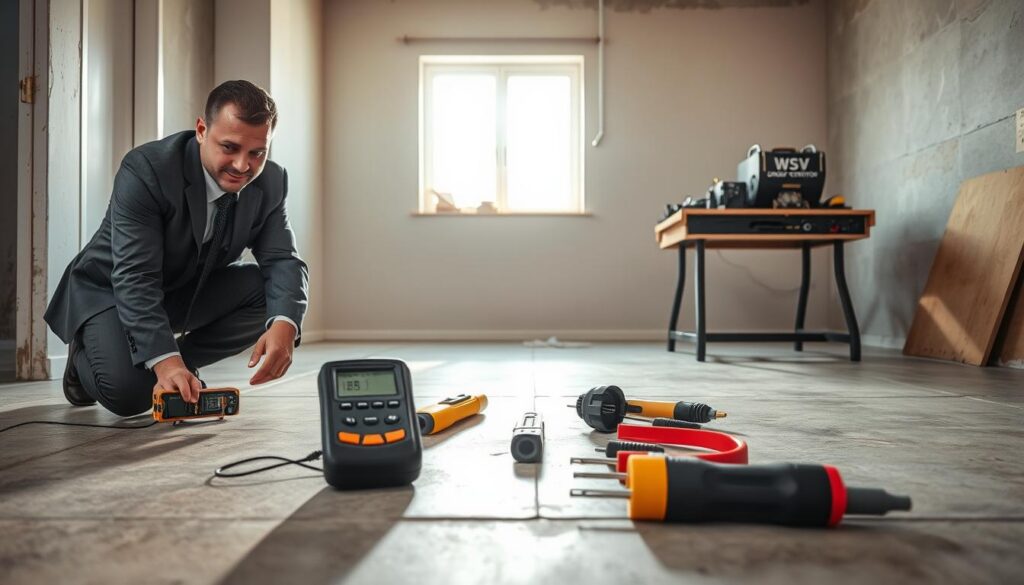
Fix the mysterious flooring failure problem
You might be enjoying your new floors, but hidden issues could be lurking beneath. Understanding how to assess and repair these problems is essential for maintaining your investment.
Start by removing the base molding and carefully prying up the existing wood boards. This step allows you to inspect the subfloor for any moisture damage or structural concerns.
Next, it’s vital to install a solid 1/2-inch to 3/4-inch plywood subfloor. This ensures your new flooring has a stable surface to rest on. Often, the underlying issue is simply inadequate subfloor support, which may require a complete tear-out and replacement.
Using the right tools is crucial. A pry bar and moisture meter are essential for any flooring installation or repair project you undertake. Do not attempt to patch over these issues; addressing the subfloor problems directly is the only way to ensure a lasting solution.
“Ignoring subfloor issues can lead to costly repairs down the line.”
If your home is causing you trouble, call us at (727)-625-1374 or email contact@bsnpmanagement.com for a professional assessment of your flooring issues.
Effective Slab Moisture Testing Techniques
Are you aware that proper moisture assessment can prevent future flooring disasters? Moisture meters are essential tools for checking the surface and subfloor levels before any new flooring installation begins. Understanding how to use these tools effectively can save you from significant issues down the line.
Using a professional-grade moisture meter is the only way to accurately control the environment before you begin a new wood flooring installation. It’s crucial to test multiple areas of the slab to ensure that moisture levels are within the acceptable range for your specific flooring materials.
Interpreting these test results is a critical part of the repair process. If the moisture levels are too high, installing a wood floor will lead to inevitable problems like cupping, warping, or total failure of the boards. We recommend testing the subfloor at different times of the day to get a clear picture of how humidity affects the moisture content in your home.
Proper moisture control is the difference between a floor that lasts for decades and one that fails within a few months of installation.

Prevention Strategies and Best Practices for Floor Installation
As you admire your newly installed floors, you may not realize that certain factors could lead to future complications. To keep your floors looking their best, consider implementing some essential strategies.
Working with skilled experts like those at Buckway’s Flooring & Design in Riverdale, UT, ensures your flooring installation accounts for seasonal humidity changes. A comprehensive buyer’s guide can help you choose the right wood materials and avoid common issues that lead to floor problems.
Always prioritize experience over low pricing. The cost of a bad installation can far exceed the price of a professional job. Proper acclimation of your wood boards to the space is vital. This practice prevents gaps and movement often seen in failed projects.
If you plan a new installation, take the time to verify that your contractor understands moisture control and subfloor preparation requirements. Avoiding these costly mistakes is the best way to ensure your floor remains a beautiful and functional part of your home for a long time.
Conclusion
Walking on your newly installed wood surface can bring joy, but hidden issues may soon surface. Addressing moisture issues and ensuring subfloor integrity is essential for maintaining a stable and durable floor. Early intervention can prevent minor concerns from escalating into costly repairs.
Whether you notice squeaky boards or visible gaps, seeking professional help is crucial. Experts can help you uncover the root causes of your flooring issues. By following proper installation best practices and maintaining moisture control, you can enjoy your home without the stress of recurring challenges.
Finally, contacting a qualified expert is the best way to secure a beautiful, long-lasting floor that enhances your living space’s value and comfort.
FAQ
What are the common signs of moisture damage in floors?
Look for discoloration, warping, or buckling in your flooring. You may also notice a musty odor or visible mold, which are clear indicators of moisture issues.
How can humidity affect my flooring?
High humidity can cause wood to expand, leading to gaps or buckling. Conversely, low humidity may cause wood to contract, resulting in creaking or squeaking sounds.
What should I do if I notice soft spots in my floor?
Soft spots may indicate damage to the subfloor or underlying issues. It’s essential to investigate further to determine the cause and address it promptly to prevent further damage.
How can I test for moisture in my slab?
Use a moisture meter designed for flooring applications. This tool can help you measure the moisture content in your slab and guide your repair decisions.
What are some effective prevention strategies for flooring installation?
Ensure proper moisture control before installation, use high-quality materials, and consider hiring experienced flooring professionals to avoid common pitfalls.
How do I interpret moisture test results?
Compare your readings to industry standards for your specific flooring type. If results exceed recommended levels, you may need to take corrective action before proceeding with installation.